

Achieving reliable connectivity hssgamepad performance is the cornerstone of a frustration-free gaming session. Whether you are dealing with intermittent signal drops or initial setup hurdles, understanding the underlying technical handshake between your controller and your host device is vital. Many players encounter issues that stem from outdated software or simple frequency interference, rather than hardware failure.
By mastering the nuances of signal stability, driver management, and protocol synchronization, you can transform a jittery connection into a rock-solid link. This article provides the technical roadmap to diagnosing and resolving common communication barriers, ensuring your inputs register instantly every time you pick up the controller.
Understanding the Bluetooth Pairing Process
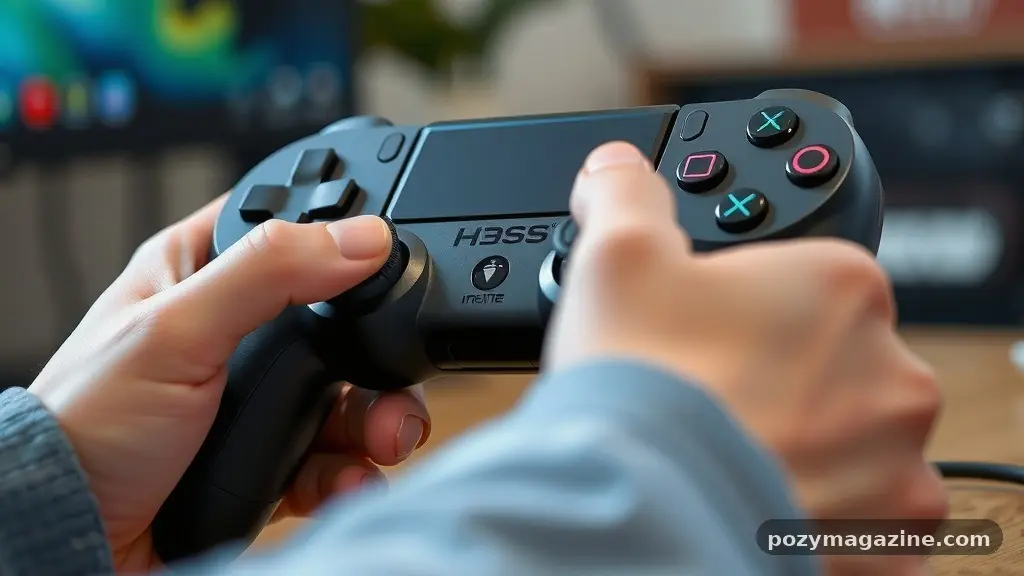
Successful connectivity hssgamepad setups often rely on stable Bluetooth pairing. When you initiate this process, your controller broadcasts a signal to identify itself to your host computer or console. This phase, known as device discovery mode, is where most users experience the first failure point.
If the host cannot “see” the controller, it is usually because the device is still trying to handshake with a previously paired piece of hardware. To reset this, you must ensure the controller is fully unpaired from other nearby systems before entering discovery mode.
Once the devices recognize each other, the Bluetooth stack negotiates the security keys. If the pairing times out, it is often due to the pairing button not being held long enough to keep the radio active during the exchange.
Always check your LED indicators during this phase; a flashing light typically signifies that the controller is actively seeking a host. If the LEDs remain solid or turn off, the pairing request has likely failed, and you will need to restart the sequence from the beginning.
Managing USB-C Interface Reliability
While wireless play is popular, the USB-C interface remains the gold standard for competitive stability. Using a wired connection effectively eliminates wireless signal interference, which is the primary enemy of consistent performance in crowded urban environments.
When you plug in your controller, the system initiates a USB handshake to determine the device type and power requirements. If your cable is damaged or lacks data transfer capabilities—common with inexpensive charging-only cables—the system may fail to recognize the hardware entirely.
For maximum reliability, always use the high-quality cable provided with your device. If you notice the controller disconnecting randomly during intense gameplay, the physical port on either the gamepad or the host might be loose.
You can often mitigate this by ensuring the cable is not under tension. Furthermore, the polling rate—how often the controller sends data to the PC—is typically higher and more consistent over a wired connection than through a standard wireless link, giving you a competitive edge.
Addressing Wireless Controller Latency and Input Lag
Minimizing wireless controller latency is essential for fast-paced gaming. Every millisecond counts, and input lag is often the difference between a successful parry and a lost match.
Latency in a wireless setup is usually caused by the overhead of the wireless protocol and the processing time required to encrypt and decrypt the signal. If you are experiencing noticeable delays, move your host device away from large metal objects or other electronics that might cause signal degradation.
You can check your current performance levels using various system tools to monitor the input responsiveness of your hardware. If the delay persists, verify that your controller is not running on a low-battery state, as many devices throttle their radio power to conserve energy.
This power-saving mode can significantly increase the time it takes for your commands to reach the game engine. Keeping your battery charged above 50% is a simple but effective way to maintain high-performance standards.
Navigating Driver Installation and OS Compatibility
Proper driver installation is the invisible layer that allows your OS to talk to your controller. Without the correct software, your system might treat your gamepad as a generic input device, stripping away advanced features like vibration or custom button mapping.
Most modern operating systems handle this through device driver management automatically, but manual intervention is sometimes required for specialized hardware. If your OS fails to recognize the controller, check the manufacturer’s website for specific software patches.
OS compatibility issues frequently arise after major system updates. If a recent Windows or macOS update broke your connectivity hssgamepad experience, the issue likely resides in a conflict between the new OS kernel and the legacy drivers.
In such cases, uninstalling the device via the system’s hardware manager and performing a clean reinstall can clear out corrupt configuration files. Always ensure your system is running the latest updates, as these often contain critical fixes for peripheral communication.
The Role of XInput and DirectInput Protocols
Understanding the difference between XInput and DirectInput is crucial for ensuring your controller works with the games you play. XInput is the modern standard, primarily used by Microsoft for the Xbox ecosystem, providing a streamlined communication path that most modern titles expect.
Conversely, DirectInput is a legacy API that offers more granular control but can be harder to configure. If your controller is behaving erratically, it might be stuck in the wrong protocol mode.
Many gamepads include a physical or software-based toggle to switch between these two modes. If you are playing an older game, you might need to force the controller into DirectInput mode to see all available buttons.
For modern titles, XInput is almost always the preferred choice. Utilizing the correct API ensures that the game engine interprets your inputs correctly, preventing issues where triggers or bumpers fail to register during gameplay.
Diagnosing and Fixing Analog Stick Drift
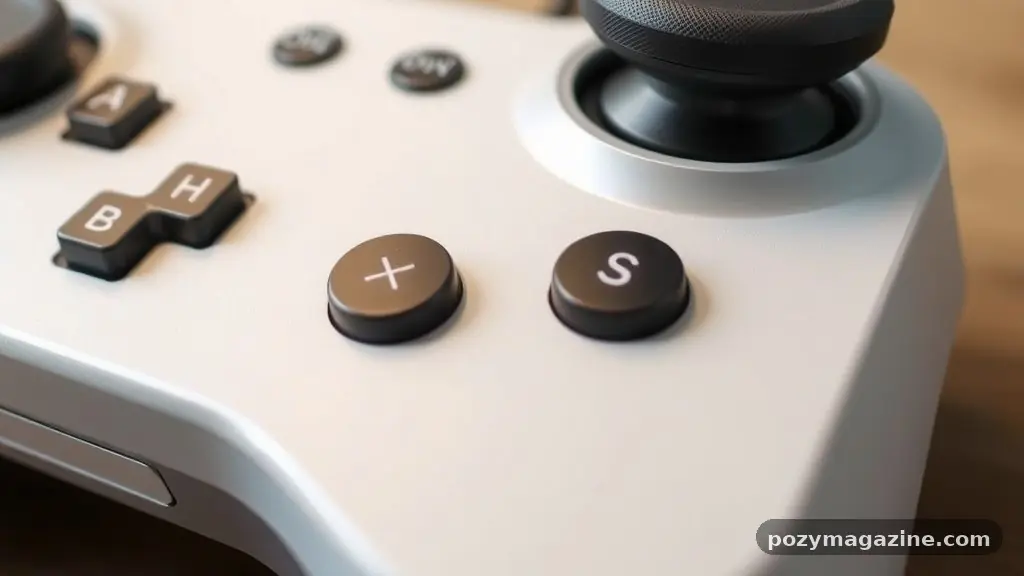
Analog stick drift is a common hardware annoyance where the controller registers movement even when the stick is centered. This often leads to “ghost” inputs that can ruin your aim or character movement.
While this is often a physical wear issue, it can sometimes be mitigated through software-based controller calibration. Most operating systems provide a calibration utility that allows you to set a “dead zone” for your sticks.
By increasing the dead zone, you instruct the software to ignore small, unintended signals from the analog sensors. If calibration does not solve the problem, the issue is likely due to dust or debris accumulation inside the stick housing.
Using a can of compressed air to clear out the mechanism can often restore normal functionality. If the drift remains severe, the internal potentiometers may have reached their end-of-life, necessitating a hardware repair or replacement of the analog module.
Updating Gamepad Firmware for Optimal Performance
A firmware update is often the most overlooked solution for persistent connectivity problems. Manufacturers frequently release updates to refine the wireless protocol or fix bugs discovered after the product’s initial release.
If your controller feels sluggish or refuses to stay connected, check the manufacturer’s companion application. These tools are designed specifically to push updates that improve the hardware’s interaction with the host.
Never interrupt a firmware update, as this can brick the device. Ensure your controller is connected via a stable USB cable during the process.
Once the update is complete, the controller will usually restart, and you may need to re-pair it with your device. Many users find that after a successful update, their connection stability significantly improves, as the manufacturer may have optimized the way the device manages its internal radio frequency.
Managing Device Discovery and Pairing Timeouts
If you find yourself stuck in a loop where your controller won’t connect, you are likely dealing with a pairing timeout. This occurs when the host device stops listening for new connections before you have successfully synchronized the gamepad. To resolve this, keep your host device’s settings menu open and ready to scan for new hardware before you put the controller into discovery mode.
Consistency is key when managing these connections. If you have multiple devices in the room, disable Bluetooth on the ones you aren’t using to prevent the controller from accidentally connecting to the wrong one.
You can learn more about managing these types of peripheral connections by consulting the official Bluetooth technology specifications. By reducing the number of potential signal targets, you ensure that the intended handshake occurs without competition from other hardware.
Comparing Connection Types and Performance
Choosing the right connection type depends on your specific gaming environment and hardware. The following table compares the typical characteristics of wired versus wireless connectivity for gamepads.
| Feature | Wired (USB-C) | Wireless (Bluetooth) |
|---|---|---|
| Latency | Extremely Low | Low to Moderate |
| Interference | None | High Risk |
| Portability | Low | High |
| Battery Needs | None (Bus-powered) | Requires Charging |
Topical Gaps: Advanced Troubleshooting Strategies
Many users struggle with “hidden” issues that aren’t covered by basic manuals. For instance, if your controller works in one game but not another, the issue is likely not with the physical connectivity hssgamepad, but with the game’s internal input settings.
Some games have a “Controller Priority” toggle in their options menu that must be enabled. Additionally, if you are using an emulator, you may need to manually map your inputs to match the software’s expectations, as emulators often don’t support plug-and-play features for non-standard controllers.
Another common gap is the conflict between background software. Applications like game launchers, recording software, or even browser-based input managers can sometimes “hook” into your controller’s HID profile, preventing the game from accessing it directly.
If you experience mysterious disconnections, try closing unnecessary background applications one by one to see if a conflict is present. Creating a “clean” environment for your gaming session is a highly effective, yet rarely discussed, method for ensuring peak performance.
FAQ Section
Why does my controller disconnect when the battery is low?
Most wireless controllers reduce their transmission power when the battery level drops to conserve energy. This reduction in signal strength can lead to dropped packets and eventual disconnection. It is best to keep your controller charged above 50% for the most stable and responsive gaming experience.
How do I know if my controller is using XInput or DirectInput?
You can usually verify this in your system’s “Game Controllers” settings menu. If the controller is listed as an “Xbox 360 Controller for Windows,” it is using XInput. If it appears under its generic model name or as a “HID-compliant game controller,” it is likely using DirectInput.
Can signal interference really affect my gaming performance?
Yes, wireless signal interference is a major cause of input lag and connection drops. Devices like routers, microwaves, and other Bluetooth peripherals can saturate the 2.4GHz frequency band. Using a wired connection is the only way to completely eliminate this potential source of instability.
What should I do if my controller is not being discovered?
First, ensure the controller is not already paired with another device. Turn off Bluetooth on nearby phones or tablets. If it still doesn’t appear, hold the pairing button for a full 5-10 seconds until the LED pattern changes, indicating it has entered a fresh discovery mode.
Conclusion
Achieving a seamless connectivity hssgamepad experience is entirely possible once you understand how your hardware communicates with your system. By focusing on the basics—such as maintaining battery health, ensuring proper driver installation, and minimizing signal interference—you can eliminate the most common sources of frustration. Remember that wired connections will always offer the most reliable performance for competitive play, while wireless setups require a clean environment to function at their best.
Don’t let minor technical hurdles keep you from enjoying your favorite games. If you find your controller acting up, start by checking for firmware updates and verifying your input protocols.
These simple steps often resolve the vast majority of connectivity issues. If you have specific tips or experiences with your own setup, feel free to share them to help others in the gaming community overcome similar challenges.


