

If you are hunting for the authentic taste of Catalonia, tracking down the best coca de recapte near me is the first step toward experiencing a true pillar of Spanish gastronomy. This savory flatbread, often topped with a vibrant medley of roasted vegetables, captures the essence of the Mediterranean diet in every bite.
Whether you are wandering through the historic streets of Barcelona or exploring the rural villages of the interior, finding a bakery that respects these time-honored methods makes all the difference. Understanding what goes into a high-quality slice will help you distinguish between mass-produced versions and the genuine article crafted with passion.
Defining Traditional Coca de Recapte
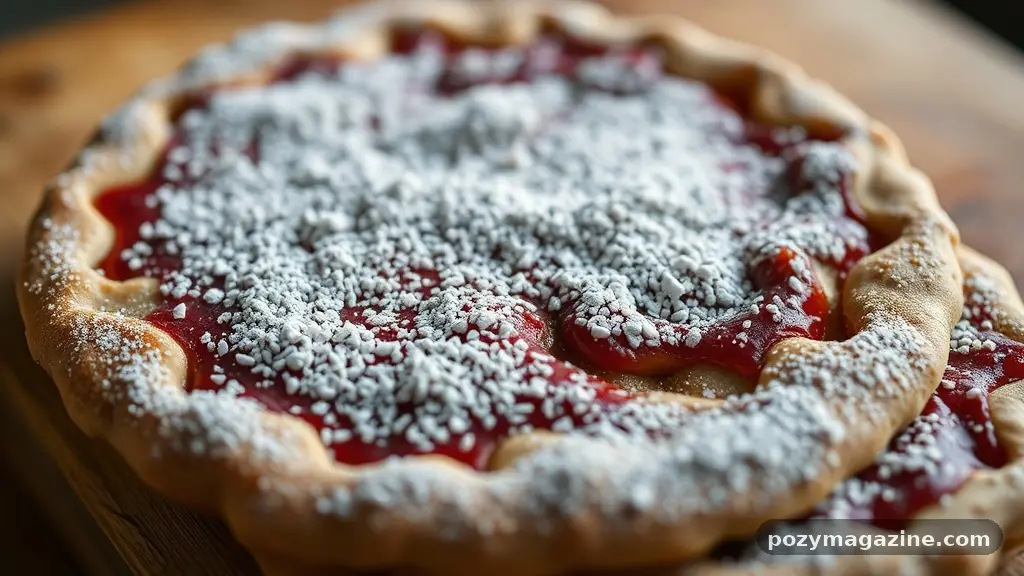
At its core, this dish is a celebration of simplicity and high-quality seasonal produce. It is a savory, rectangular flatbread that serves as a staple of Catalan cuisine, traditionally prepared to sustain field workers or to be shared at communal gatherings. The dough is typically leavened with sourdough or yeast, providing a sturdy, chewy base that can hold the weight of its toppings without becoming soggy.
The defining characteristic of this specialty is the topping, usually a variation of escalivada. This involves a combination of roasted peppers, onions, and eggplant.
These vegetables are slow-cooked until they reach a state of intense sweetness and tenderness. To achieve the perfect texture, the vegetables must be peeled, which provides a sharp, clean flavor profile that balances the richness of the olive oil drizzled generously over the top.
Regional Variations Across Catalonia

While the base recipe remains consistent, you will find subtle differences depending on where you travel in the region. Some areas lean into the inclusion of salted anchovies or longaniza sausage, adding a savory punch that contrasts beautifully with the charred sweetness of the vegetables.
- Lleida style: Often features a thinner, crispier crust and a heavy focus on local garden vegetables.
- Coastal variations: Frequently incorporate preserved fish, such as sardines or anchovies, reflecting the proximity to the Mediterranean Sea.
- Mountain versions: May use heartier flours or locally cured meats to provide more substance for colder climates.
- Traditional forns: Many long-standing neighborhood shops maintain secret family ratios for their flour blends, resulting in unique crumb structures.
Identifying Quality Bakeries and Markets
When searching for the best coca de recapte near me, your primary goal is to locate an authentic artisan bakery or a traditional forn. These establishments prioritize the use of a wood-fired oven, which imparts a distinct smoky aroma and a blistered, caramelized crust that electric ovens simply cannot replicate.
When visiting a bakery, look for visual cues that suggest quality. The vegetables should look slightly charred at the edges, indicating proper roasting techniques. The base should be golden, not pale, and the aroma of toasted bread and roasted aromatics should be immediately noticeable upon entering the shop.
| Feature | Mass-Produced | Artisan Quality |
|---|---|---|
| Dough | Soft, uniform, machine-made | Hand-stretched, often sourdough |
| Vegetables | Canned or quickly sautéed | Slow-roasted, hand-peeled |
| Cooking Method | Convection oven | Wood-fired oven |
| Flavor Profile | One-dimensional | Complex, smoky, sweet |
Why Wood-Fired Traditions Matter
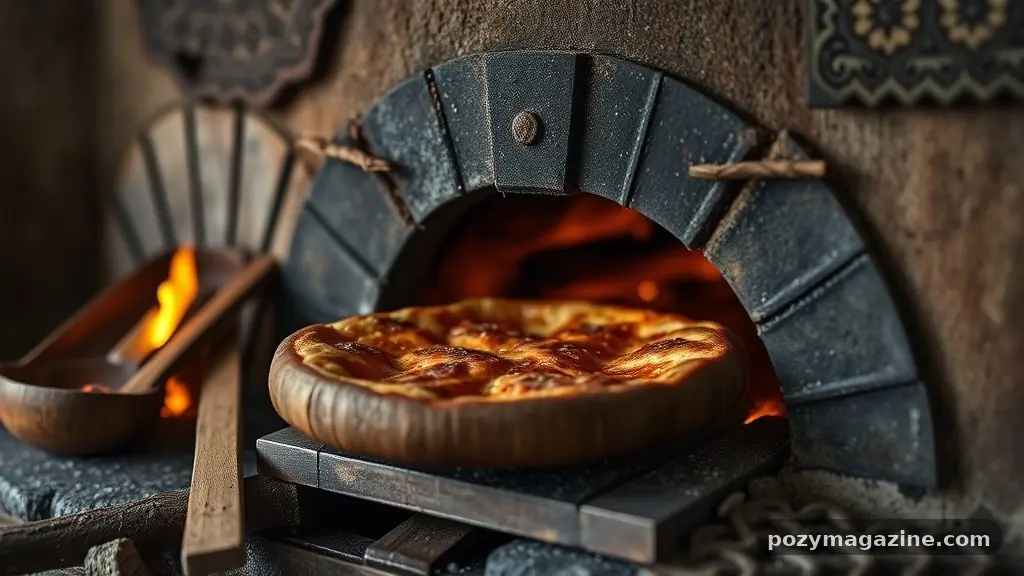
The reliance on wood-fired traditions is not merely for aesthetic appeal; it is a functional requirement for the perfect bake. The intense, uneven heat of a wood-burning oven creates pockets of steam within the dough while simultaneously caramelizing the sugars in the onion and eggplant. This process creates the signature “char” that defines the flavor profile of the dish.
Furthermore, the wood smoke subtly permeates the dough, adding a layer of depth that elevates the simple ingredients. If you find a bakery that still uses these traditional methods, you are likely tasting the product of hours of labor rather than minutes of assembly.
Addressing Common Misconceptions
Many newcomers to Catalonia assume that all flatbreads are similar, but this is a mistake. Unlike pizza, which relies on melting cheese and a sauce base, this dish relies entirely on the quality of the olive oil and the freshness of the harvested produce. It is intended to be eaten at room temperature or slightly warmed, making it the ideal snack for mid-morning or a light lunch.
Don’t be discouraged if the first bakery you try doesn’t meet your expectations. Quality varies wildly, even within the same city. Seek out local markets where the vendors source their produce directly from the surrounding countryside, as this usually correlates with the best possible flavor for the vegetable toppings.
Frequently Asked Questions
What is the best time of day to buy fresh coca?
The best time is early in the morning, usually between 9:00 AM and 11:00 AM. Most artisan bakeries bake their savory items in batches, and you want to catch the first run when the crust is still crisp and the vegetables are at their peak temperature.
Does authentic coca de recapte contain cheese or tomato sauce?
No, traditional versions do not use tomato sauce or cheese. It is strictly a vegetable-based topping. Adding cheese or tomato would move the dish closer to a pizza, whereas the traditional recipe focuses on the integrity of the roasted eggplant, onions, and peppers.
How should I store leftover coca?
Store it in a cool, dry place if you plan to eat it within a day. If you need to keep it longer, wrap it tightly to prevent the crust from drying out. To reheat, use an oven or a toaster oven rather than a microwave to maintain the texture.
Is this dish suitable for vegetarians?
Most standard versions are vegetarian, but always check with the baker if they include anchovies or cured meats. While the vegetable base is the standard, some regions do add protein, so it is safer to confirm the ingredients if you follow a strict vegetarian diet.
Conclusion
Finding the best coca de recapte near me is a rewarding journey that connects you deeply with the culinary heritage of the region. By prioritizing bakeries that utilize traditional wood-fired ovens and source fresh, seasonal ingredients, you ensure that you are getting an authentic experience rather than an imitation. Remember that the hallmark of a great slice is the balance between the smoky, charred vegetables and the high-quality olive oil that ties everything together.
Whether you are a local or a visitor, taking the time to seek out these artisan producers supports the continuation of these vital cultural practices. Enjoy the process of exploring your neighborhood’s hidden gems, and don’t hesitate to ask the bakers about their specific process—they are usually proud to share their craft.


